
Espagnole: The Deep, Dark Secret of Flavor
SAUCE MASTERCLASS
5/6/20264 min read
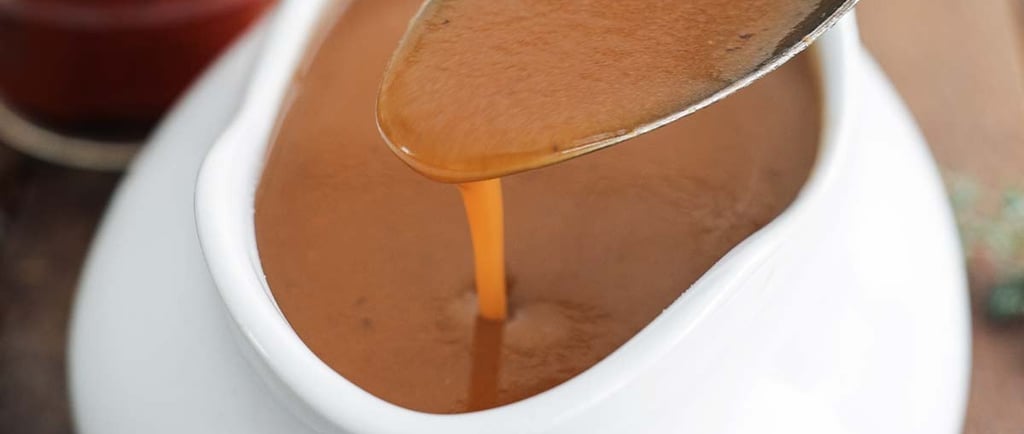
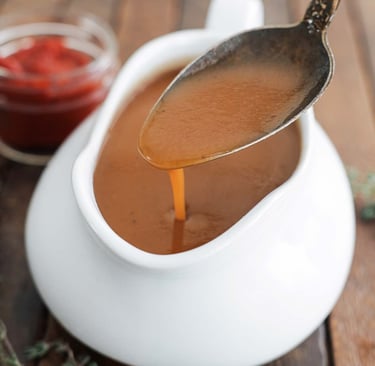
Introduction to Espagnole Sauce
Espagnole sauce, often referred to as brown sauce, is a cornerstone of classical French culinary tradition, renowned for its depth of flavor and versatility. As one of the five mother sauces in classical French cuisine, Espagnole serves as a foundational element from which countless derivative sauces are created, including demi-glace and sauce bordelaise. Its origins can be traced back to the 19th century when it was formalized by chef Marie-Antoine Carême, although variations of brown sauces have existed in various cultures long before that.
The preparation of Espagnole involves a combination of essential ingredients: a dark roux made from flour and butter, mirepoix (a mix of diced onions, carrots, and celery), tomatoes, and a rich stock, traditionally beef stock. This meticulous approach not only builds a complex flavor profile but also emphasizes the importance of technique in mastering this sauce. For aspiring chefs, understanding how to create a perfect Espagnole is crucial, as it lays the groundwork for many other sauces in professional kitchens.
The significance of flavor complexity cannot be overstated in the world of gastronomy. Espagnole sauce enhances various dishes by adding depth and richness that elevate the overall dining experience. From roasted meats to braised dishes, the robust character of Espagnole allows it to complement and balance the flavors of numerous ingredients, transforming the simplest of meals into gourmet creations.
In cooking, the mastery of sauces like Espagnole represents a chef's ability to infuse dishes with layers of taste, illustrating the artistry behind classical French cuisine. This brown sauce not only acts as a versatile base for numerous applications but also educates chefs on the nuances of flavor, making it an indispensable component of any culinary repertoire.
Understanding Mirepoix and Roux
Mirepoix and roux are foundational elements in the creation of Espagnole, serving as its flavor base and thickening agent. Mirepoix, a traditional blend of onions, carrots, and celery, is a classic French culinary preparation that adds depth and richness to sauces. The ratio of these vegetables typically adheres to a standard of 2:1:1 by weight, with onions comprising the majority. Properly chopping the mirepoix is essential for even cooking; the vegetables should be diced into small, uniform pieces to ensure that they sauté evenly and release their flavors effectively.
To prepare mirepoix, one should start by peeling and dicing the onions, followed by the carrots and then the celery. The vegetables should then be sautéed over medium heat in a combination of oil and butter, stirring frequently. This process allows the sugars in the vegetables to caramelize, transforming their flavor profile to a sweet, savory base. Care must be taken to avoid browning; the goal is to achieve a translucent result that will enhance the sauce without introducing bitterness.
Roux is another essential component that contributes to the consistency and flavor of Espagnole. It consists of equal parts flour and fat, typically butter, which are cooked together. Roux can be classified into three types: white, blonde, and brown. Blonde and brown roux are particularly valuable in creating Espagnole, as they impart a nutty flavor and a deeper color, essential for achieving the desired mahogany tone. To achieve a perfect brown roux, one must carefully monitor the cooking process: as the mixture heats, it will transition from a pale color to a rich brown. The key lies in staying vigilant to avoid burning while allowing the mixture to develop its robust flavor and dark hue.
The Long-Simmering Process
To create a truly exceptional Espagnole sauce, a meticulous approach is essential. This foundational sauce of French cuisine is built upon a sublime combination of ingredients and techniques that culminate in a rich, complex flavor profile. The process begins with the preparation of mirepoix, a classic combination of onions, carrots, and celery, which serves as the flavor base. These vegetables are finely diced and then sautéed in a sufficient amount of fat until they achieve a golden brown color, enhancing their natural sweetness and releasing their essential oils.
Once the mirepoix is properly browned, the next step involves the incorporation of a roux, which is a mixture of equal parts flour and fat that is cooked until it reaches a desired color. This roux not only acts as a thickening agent but also adds a nutty depth to the sauce. After achieving the correct consistency and color of the roux, it is blended with the mirepoix to create a homogeneous mixture, laying the groundwork for the full flavor spectrum of the Espagnole sauce.
The subsequent addition of robust beef stock and tomato purée transforms the mixture into the foundation of our sauce. This combination invites a tantalizing depth that is essential for a well-rounded Espagnole sauce. At this stage, the mixture must undergo a long and slow simmer, which is where the magic occurs. During this cooking process, flavors amalgamate and intensify, resulting in a sauce that boasts complexity and depth.
Monitoring the sauce is critical; regular stirring helps prevent sticking and allows you to observe the reduction process. The reduction of the sauce is vital, as it concentrates the flavors and elevates the overall profile of the Espagnole. Seasoning should be approached with care, ensuring that the true essence of the ingredients isn't overwhelmed. With patience and precision, a properly executed Espagnole sauce will emerge as a formidable component in various culinary applications, highlighting the transformative power of slow-cooked flavors.
Applications and Variations of Espagnole Sauce
Espagnole sauce, a cornerstone of classical French cuisine, serves as a robust foundation for a wide array of culinary creations. Its rich flavor and velvety texture allow it to be utilized in various applications, enhancing both ordinary and elaborate dishes. One of the primary derivatives of Espagnole is demi-glace, achieved through a reduction of the sauce combined with equal parts of brown stock. This intense reduction is frequently employed in fine dining, adding depth to sauces served alongside roasted meats.
Additionally, Espagnole can transform into bordelaise sauce, an esteemed variation by incorporating red wine, shallots, and herbs, which notably harmonizes with beef dishes. Other adaptations include sauce Chasseur, which introduces mushrooms and shallots, perfectly complementing game and poultry. When utilizing Espagnole sauce as a base, it is essential to pair it with appropriate ingredients. For instance, serving a demi-glace with braised short ribs or enhancing a mushroom risotto with bordelaise showcases the versatility of this sauce, as it elevates the overall dining experience.
However, several challenges may arise when working with Espagnole. Common pitfalls include achieving the correct consistency or flavor balance. If the sauce is too thick, a judicious amount of stock can be whisked in to achieve the desired texture. On the other hand, if the flavor is too overpowering, a subtle addition of cream or butter can soften the intensity. Developing a keen understanding of the sauce’s characteristics and adjustments will allow home cooks to overcome these issues confidently and creatively. Embracing these transformations, one can explore the vast landscape of possibilities that Espagnole sauce offers in modern cuisine.
Contact
Questions? Reach out anytime, we're here.
Phone
hello@herworldkitchen.com
+1 213-330-4543
© 2026. All rights reserved.
PARTNER