
Salad Niçoise: The Art of the Composed Salad
EUROPE
5/6/20264 min read

Origin and History of Salad Niçoise
Salad Niçoise, a celebrated dish originating from the French Riviera, encapsulates the essence of Mediterranean cuisine with its vibrant ingredients and diverse flavors. The roots of this composed salad can be traced back to the late 19th century, specifically to the city of Nice, where local ingredients were combined to create a meal reflective of the region’s agricultural bounty. Traditionally, the salad consists of fresh vegetables such as tomatoes, bell peppers, and green beans, often accompanied by hard-boiled eggs and olives, symbolizing the simplicity and richness of Niçoise culinary practices.
The historical context of Salad Niçoise reveals how it embodies the cultural identity of the region. Over the years, it has evolved as a staple in Provençal cuisine, showcasing ingredients that are abundant in the Mediterranean, such as fresh fish and seasonal vegetables. Initially, the salad was prepared in a straightforward manner, with local households creating their unique variations based on availability and personal preferences. For instance, some recipes may include tuna, anchovies, or even artichokes, which highlight the adaptability of the dish while maintaining its core identity.
As culinary trends have shifted, so too has the preparation of Salad Niçoise. In modern interpretations, chefs across the globe have embraced innovative ingredient substitutions and presentation styles, which has sparked both controversy and admiration among purists. Despite the variations that have surfaced, including those featuring potatoes or varying dressings, the significance of Salad Niçoise as a symbol of Mediterranean cuisine remains intact. Its enduring popularity not only underscores the dish's historical roots but also reflects the ongoing evolution of French culinary practices.
Essential Ingredients and Their Roles
A traditional Salad Niçoise is a vibrant medley of flavors and textures, each ingredient playing a crucial role in both taste and nutrition. At the heart of this salad is tuna, typically either fresh or canned, which serves as a significant source of protein and omega-3 fatty acids. These nutrients are essential for heart health and contribute to the maintenance of muscle mass.
Green beans, another vital component, provide a crisp texture and a vibrant color. They are rich in fiber and vitamins A, C, and K, making them an excellent choice for promoting overall health. Their fiber content aids in digestion and helps to maintain a healthy weight.
Olives, particularly the black variety, lend a robust flavor and are packed with healthy fats, primarily monounsaturated fats. These fats are known to reduce inflammation and lower the risk of heart disease. Moreover, olives contribute a variety of antioxidants, which help combat oxidative stress in the body.
Ripe tomatoes are also essential in a Salad Niçoise, contributing not only their juicy sweetness but also being a great source of vitamins C and K. They are rich in lycopene, an antioxidant associated with numerous health benefits, including improved heart health and skin protection.
Boiled eggs add creaminess and are an excellent protein source, along with being rich in vitamins D and B12. The inclusion of eggs brings healthy fats and supports cognitive functions due to their choline content.
Finally, salad greens such as arugula or mixed lettuce provide a fresh, crisp base. These greens are low in calories but high in vitamins and minerals, ensuring that the overall salad is nutrient-dense while providing a refreshing contrast to the other ingredients. Together, these components create a harmonious dish, making Salad Niçoise a wholesome meal choice that supports a balanced diet.
The Art of Composition and Presentation
Creating a visually appealing Salad Niçoise requires thoughtful composition and presentation that emphasizes freshness, color, and balance. Each ingredient plays a vital role in the overall aesthetic, making it essential to arrange them with care. A well-composed salad not only pleases the eye but also enhances the dining experience by inviting diners to savor each component.
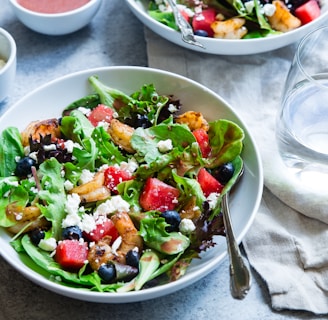
To achieve an optimal presentation, consider the color palette of the ingredients. Vibrant greens, rich reds, deep purples, and creamy whites should be combined in a way that draws the eye. For instance, start by layering a bed of mixed greens on the base of the plate, followed by bursts of color from ingredients like ripe tomatoes, bright yellow bell peppers, fresh green beans, and black Niçoise olives. This strategic arrangement creates visual contrast and depth.
Textural variety also plays a significant role in the composition of Salad Niçoise. Pair crunchy vegetables such as green beans and radishes with softer components like boiled eggs and tuna. This interplay of textures adds interest and enhances the eating experience. When placing these elements, aim for a balanced distribution across the plate, ensuring that no area appears overly crowded or sparse.
Seasoning and dressing should be used judiciously to complement the fresh ingredients without overwhelming their natural flavors. A simple vinaigrette made with high-quality olive oil, Dijon mustard, and a splash of lemon juice can elevate the salad while allowing its components to shine. Drizzle the dressing lightly over the salad just before serving to maintain the brightness and texture of each ingredient. This attention to seasoning ensures that all flavors harmonize beautifully, creating a delightful Salad Niçoise experience.
Health Benefits and Nutritional Value
Salad Niçoise, a classic French dish, offers a nutritional profile that makes it a compelling choice for those seeking a high-protein, low-carb meal. This composed salad typically includes ingredients such as tuna, green beans, hard-boiled eggs, olives, and tomatoes, all of which contribute to its health benefits. With tuna as a primary component, Salad Niçoise provides an excellent source of lean protein, making it suitable for individuals looking to build muscle or maintain a healthy weight.
Moreover, this salad features a variety of vegetables that are rich in vitamins, minerals, and antioxidants. Green beans, for instance, offer dietary fiber, which is essential for digestive health, and a spectrum of vitamins that bolster overall well-being. Tomatoes are packed with lycopene, a powerful antioxidant that has been linked to reduced inflammation and improved heart health. The inclusion of olives not only provides healthy fats but also adds a distinct flavor that enhances the overall taste of the dish.
Salad Niçoise is versatile, catering effectively to different dietary preferences. It can be easily modified to accommodate vegetarian or vegan diets by substituting tuna and eggs with alternative protein sources, such as chickpeas or quinoa. For individuals following a low-carbohydrate diet, the absence of starchy ingredients makes this salad particularly appealing.
Regular consumption of salads has been positively correlated with numerous health benefits. Studies suggest that individuals who incorporate salads into their diet tend to have higher nutrient intakes, improved weight management, and a lower risk of chronic diseases. This is particularly relevant for women who prioritize health and aesthetics, as salads can fulfill nutritional requirements while supporting weight-loss efforts. With its rich blend of flavors and health-promoting properties, Salad Niçoise stands as an excellent choice for a nutritious lunch or a light dinner.
Contact
Questions? Reach out anytime, we're here.
Phone
hello@herworldkitchen.com
+1 213-330-4543
© 2026. All rights reserved.
PARTNER